

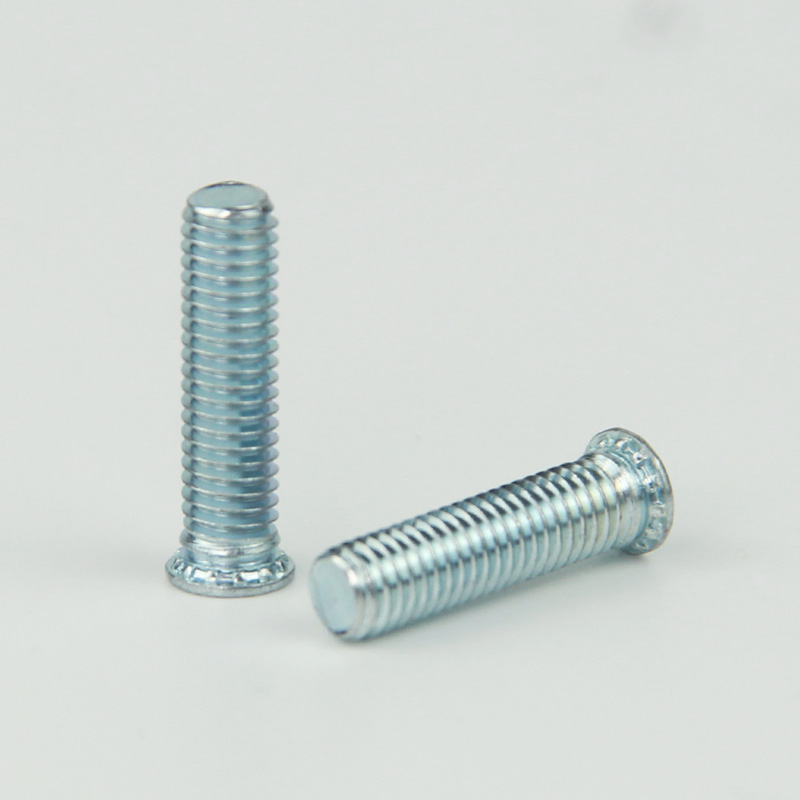
1. Material quality: Verify whether the specified material for Stainless Steel Screws has achieved the required standard as per the test results on strength, hardness and toughness etc. The tested material should be homogeneous with no cracks, pores, inclusions and other defects, the surface should also be polished and no roughness.
2. Dimensional accuracy: It is possible to use precision gauges to verify to what extent the diameter, length of the thread, etc. deviates from the necessary dimensions specified in the design drawings or even in conformance with standard tolerance conditions. The dimensional accuracy that is involved in the installation has a direct impact on the stability of the installation and its reliability.
3. surface treatment: Review the possibility of uniform plating layer and optimal thickness of the layer for its adhesion as well as check whether there is corrosion, oxidation, or scratches, and other defects. By under taking correct surface treatment of the screw, the corrosion resistance and the overall look of the product can be enhanced.
4. Installation performance: In reality, test of the installation force of Sheet Metal Screws, fixing force and anti-torsion ability with the real installation experiment. The screws should be able to pass through it with ease and should hold the plates tightly this creates a strong clamp and should not harm the physical condition of the plate in any way.
5. Durability test: Vibration test, fatigue test, heat shock test or cold test and so on in order to determine the suitability of the screws for various conditions and circumstance.
6. Standard compliance: Assure yourself that the screws meet required industry standards or specifications that are ISO, ASTM, DIN and other specifications.
7. Packaging and labeling: Make sure that screws must be packed in a way that they will not loss its qualities during transport and storage and the label should indicate the model, specification and batches number of the screw.
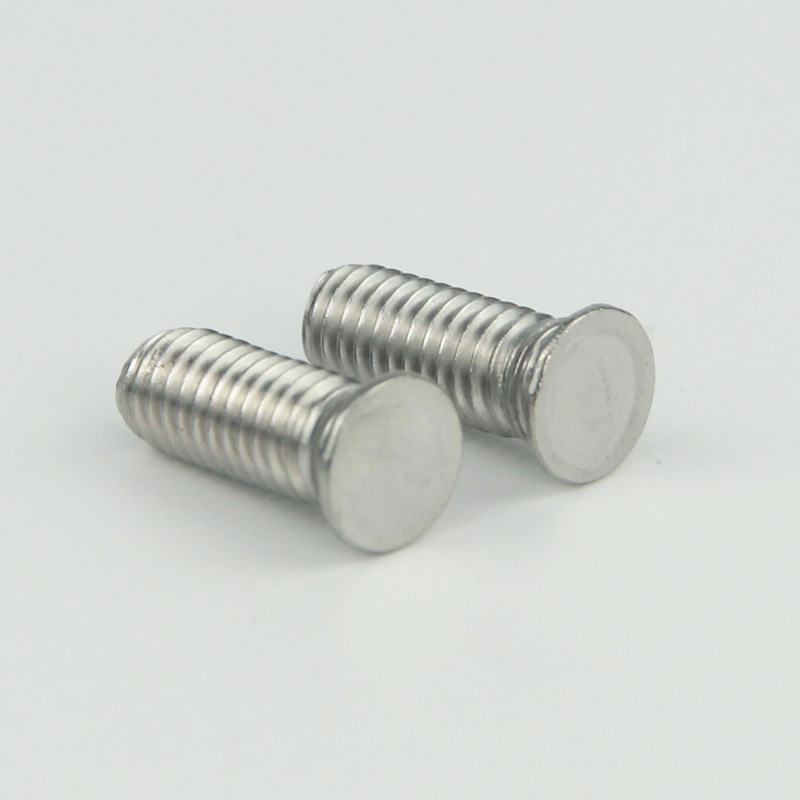
Most of the quality assessments are always done in relation to the intended applications and design specifications. For instance, if the Clinching Screw is used in an area that needs very high standard, for example, aerospace or medical equipment, then the quality control and testing done may be more complex.
Enterprises usually establish a set of complete quality management system, including raw material inspection, production process control, finished product inspection and pre-factory testing to ensure that the quality of each Clinch Screw meets the standards. In addition, the certifications and reports from third-party testing organizations can also be used as important references for assessing the quality of Clinching Screw.