

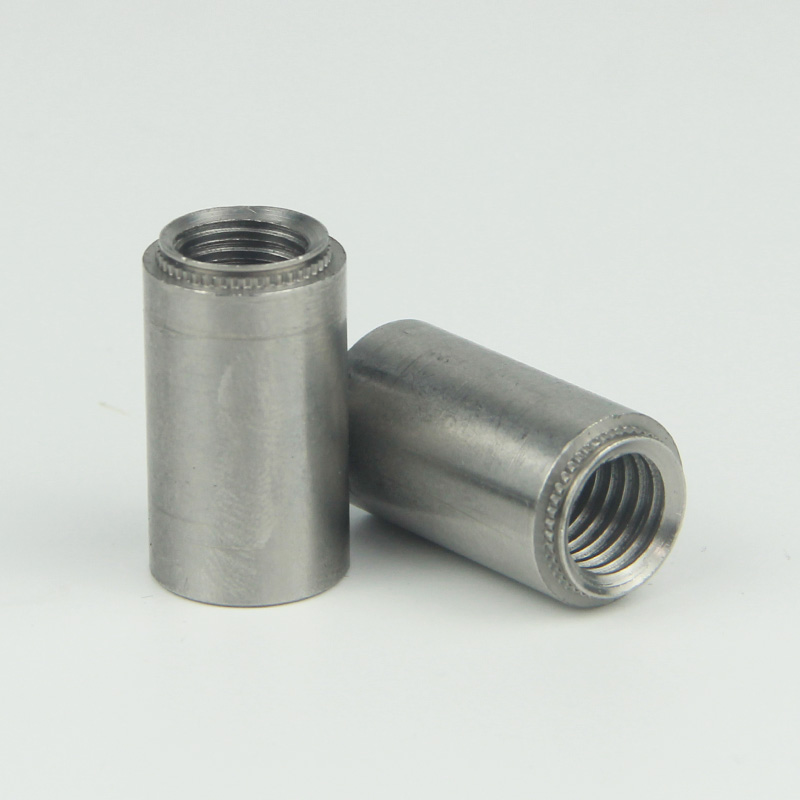
Waterproof studs do refer to watertight studs and these are particular fasteners that ensure waterproofing barriers in buildings and industries. These studs are designed for fixing objects or parts in such a way that the surroundings of such objects will remain water and other fluids’ proof.
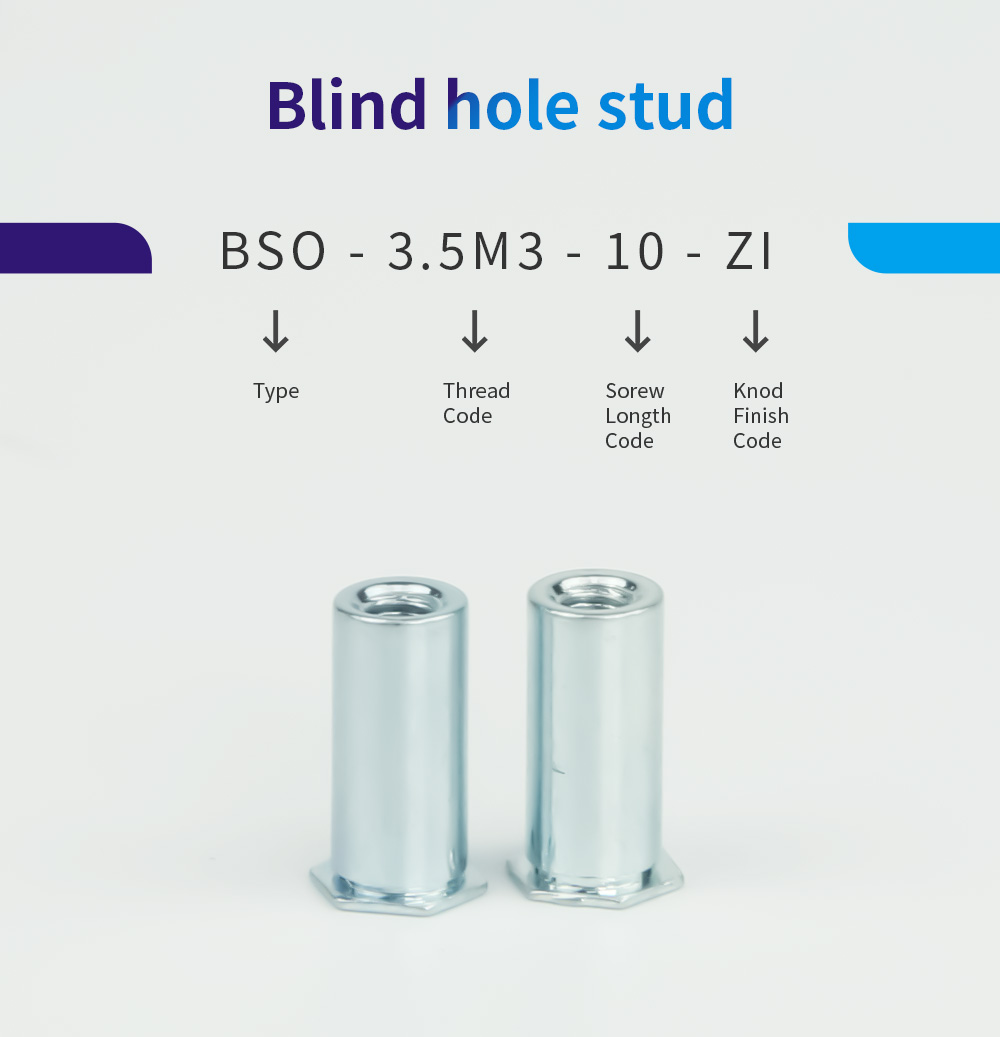
What materials are Waterproof Studs typically made of?
Stainless Steel: Which is normally applied because of the excellent protection against corrosion.
Brass: Good corrosion characteristics and this steel can be used in areas where galvanizing is an issue.
Plastic or Polymer Coatings: Occasionally used as a finish on metal studs in order to increase how waterproof they are.
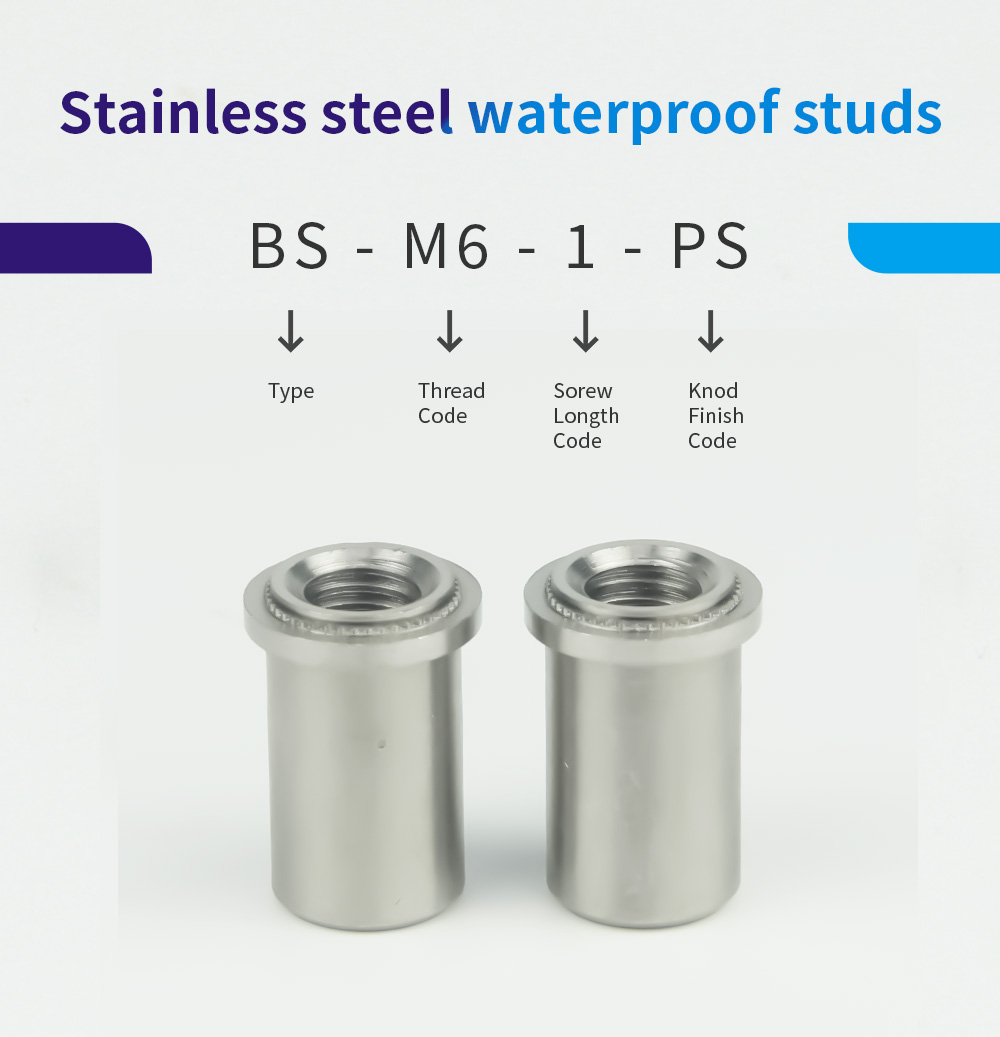
What types of designs are available for Water Resistant Studs?
Threaded Studs: These studs are threaded on both ends of the part so that nuts can be threaded on on both ends to fasten components.
Non-Threaded Studs: These can be used with special connecting devices or with some glue, for instance where the surface must be smooth.
Sealing Washers or Gaskets: Most of the times it is used together with the studs to ensure that any form of water is locked out.
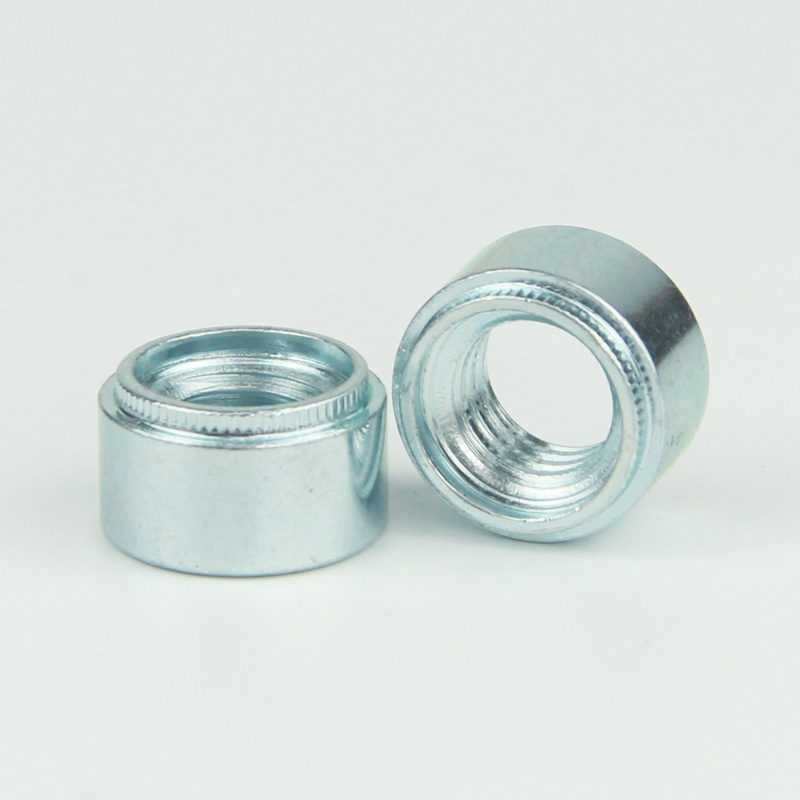
What are some ways to prevent Waterproof Fasterner from rusting?
1. Use Corrosion-Resistant Materials: Use environments which are stainless steel, brass or an amalgamation of both.
2. Apply Coatings: Some nickel, chrome plating, powder coating or zinc.
3. Anodize Aluminum Fasteners.
4. Cathodic Protection: Connect a more reactive metal to it.
5. Use Sealants: Seal the area with water proof grease or apply water proofing sealers or humectants or hydraters.
6. Regular Maintenance: Maintenance includes clean and inspection of the equipment frequently.
7. Design Considerations: Do not place metals that are different, which is also called dissimilar metal contact.
8. Proper Storage: Store in a cool dry place.
Regular maintenance is crucial to maintain the integrity of the fasteners.