

Locking or biting often occurs on screws made of stainless steel, aluminum alloy, and titanium alloy materials. These metal alloys themselves have anti-corrosion properties, and when the surface is damaged, a thin oxide layer is formed on the metal surface to prevent further corrosion. When the screws of stainless steel are locked, the pressure and heat generated between the grooves will damage this oxide layer, causing blockage or shear between the metal threads, leading to adhesion. When this phenomenon continues to occur, it will completely lock the stainless steel fasteners, making it impossible to remove or continue to lock them. Usually, a series of actions such as blocking, shearing, sticking, and locking occur in just a few seconds. Therefore, a correct understanding of the use of such fasteners is necessary to prevent this phenomenon.
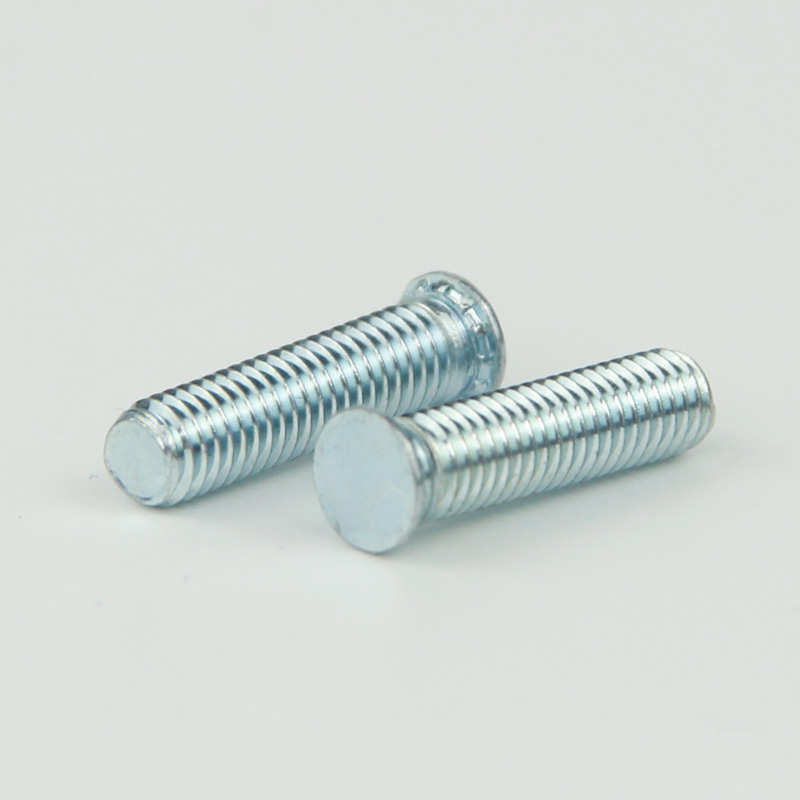
1. Correct product selection: Before use, confirm whether the mechanical properties of the product can meet the usage requirements, such as the tensile strength of screws and the guaranteed load of nuts. The length of the screw should be selected appropriately, with 1-2 tooth pitch exposed after tightening.
2. Before use, check if the threads are rough and if there are iron filings or dirt between the threads, which often cause locking.
3. Before use, fasteners can be lubricated: it is recommended to use butter, molybdenum disulfide, mica, graphite, or talcum powder for lubrication. Currently, wax immersion treatment is commonly used for lubrication to prevent locking.
1. The speed and force of rotation should be appropriate, not too fast or too large. Try to use torque wrenches or socket wrenches as much as possible, and avoid using adjustable or electric wrenches. Too fast a speed can cause a rapid increase in temperature and result in locking.